Fake support outreach
Unexpected messages may imitate support and ask for recovery words or remote access. Stop the conversation and contact official support using contact details you find independently.
A clear-eyed starter guide 8 min read
A thoughtful first step toward self-custody. Know what to prepare, what a safe setup looks like, and which details should remain yours alone.
Independent educational resource · Not official Trezor support
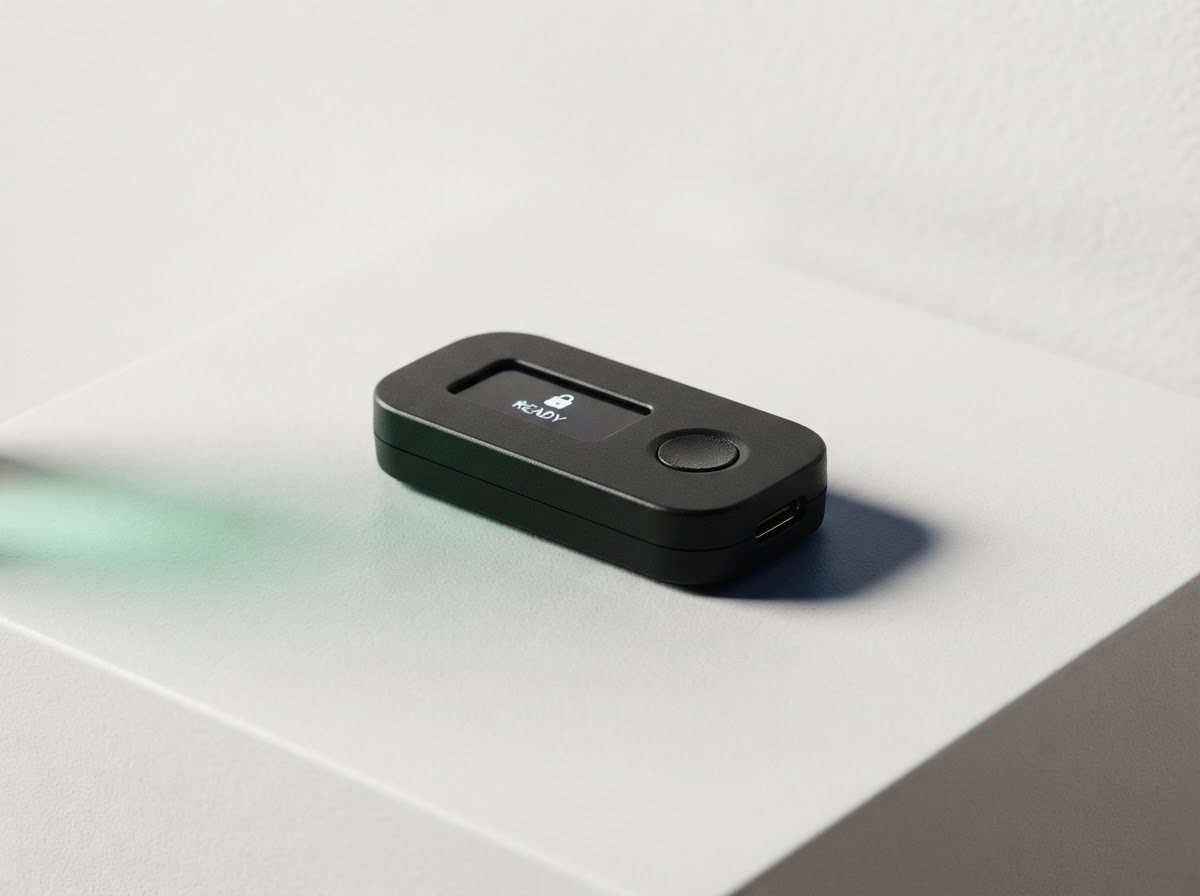
A PRACTICAL GUIDE
FOR YOUR FIRST SETUP
Hardware wallets can make crypto access more deliberate, but the device is only one part of the picture. The habits you build around setup and recovery matter just as much.
Jump to the final checklistTHE FIRST MILE
Treat setup as a careful introduction, not a race to move funds.
People searching for Trezor.io/start are usually looking for a safe way to begin with a hardware wallet. This guide explains the decisions and checks involved, but it is independent educational content—not an official support channel. For current, device-specific instructions, navigate to Trezor’s official website yourself and confirm you are on the genuine domain before continuing.
A hardware wallet is designed to keep sensitive signing operations on the device rather than exposing private keys to an ordinary computer. It does not remove every risk: a compromised computer, deceptive website, mistaken transaction, or exposed recovery backup can still cause loss. Good setup is therefore a combination of trusted software, deliberate verification, and private recovery storage.
Take your time. Read each prompt on the computer and the device, and pause whenever instructions conflict or feel rushed. You do not need to reveal a recovery secret to anyone to get help.
BEFORE YOU BEGIN 02 / 09
Start with a calm, private place and a computer or phone you control. Install updates from the device maker’s official source, use a trusted network, and close unnecessary browser tabs. Keep the hardware wallet, its cable, and any included materials nearby; don’t follow setup instructions sent unexpectedly through direct messages, search ads, or email.
Decide in advance how you will store recovery information. Choose a location protected from casual access, damage, and loss, while avoiding a setup that leaves only one fragile copy. Do not photograph the recovery words, place them in cloud notes, email them to yourself, or type them into a website or chat. A tidy desk and a few uninterrupted minutes are meaningful security tools.
Plan for recoveryA SIMPLE SEQUENCE 03 / 09
Type the official address or use a trusted bookmark. Check spelling and the browser’s domain before downloading or connecting anything.
Use current instructions for your exact device. Read prompts on both screens and let the device confirm sensitive steps.
Record recovery information only as directed on the device, then put it away safely before considering a small test transfer.
DEVICE VERIFICATION BASICS
Only source software from the official vendor site reached independently. Check the domain carefully, avoid sponsored lookalike results, and do not rely on a link in an unsolicited message. If anything about packaging, device prompts, or software behavior seems inconsistent with the official guide, stop and consult official support through a channel you locate yourself.
Pay attention to what the device itself displays. Confirm important details on its screen rather than trusting a computer display alone. A legitimate workflow should not ask you to disclose your recovery words to a support agent, enter them into a website, or send them in a message. If it does, stop; treat that request as a serious warning.
THE MOST SENSITIVE PART 05 / 09
Recovery information can restore access if a wallet is lost, damaged, or replaced. Anyone who obtains it may be able to control the associated assets, so think of it as the master key—not a password to share for troubleshooting. Write it down only through the device’s approved flow and verify the record as instructed. Keep it offline in a place only you can access, protected from fire, water, and casual discovery.
Never enter recovery words into a computer, phone, browser extension, cloud service, password manager, or “wallet validation” page. No genuine helper needs to see them. Be cautious about discussing how much you hold or where you keep backups; privacy can reduce the attention your setup attracts.
SPOT THE PRESSURE
Most preventable mistakes begin with urgency, impersonation, or a request to reveal a secret.
Unexpected messages may imitate support and ask for recovery words or remote access. Stop the conversation and contact official support using contact details you find independently.
Ad results and copied branding can lead to deceptive pages. Verify the exact domain and software source before connecting a device or approving a prompt.
Scammers create urgency so you skip checks. Review the address, amount, and device confirmation carefully. When details differ, cancel and investigate.
SMALL ROUTINES, STRONGER BOUNDARIES 07 / 09
Use these contrasts as a quick sense-check whenever you set up, recover, or use a wallet.
Navigate to official resources independently and verify the domain.
Clicking unexpected links or selecting a sponsored lookalike.
Keep recovery information offline and private.
Saving words in photos, email, cloud storage, or web forms.
Check important transaction details on the device screen.
Approving quickly without checking address and amount.
Pause and verify through a channel you found yourself.
Trusting urgent messages or strangers claiming to help.
PLAIN ANSWERS 08 / 09
Good security should be understandable. If a step feels unclear, pause and check the current official documentation rather than guessing.
No. This is an independent educational guide and is not affiliated with or endorsed by Trezor. For device-specific setup, type the official domain yourself and follow its current instructions.
No. Never share, send, photograph, or type recovery words into a website or message. Anyone requesting them should be treated as untrusted.
No. Take time to understand the flow and verify your setup before making decisions. If you choose to transfer funds later, carefully review the details and consider a small test first.
Stop before approving or entering information. Check the official documentation for your device and contact support through a channel you locate independently—without disclosing recovery secrets.
BEFORE YOU CLOSE THIS TAB 09 / 09
Setup is personal. Use this list to make sure the foundations are in place—without sharing any private detail.
I reached official resources independently and checked the domain.
I followed current instructions for my specific hardware wallet.
I recorded and secured recovery information offline and privately.
I know no support person should ask for my recovery words.
I will verify important prompts and transaction details on-device.